
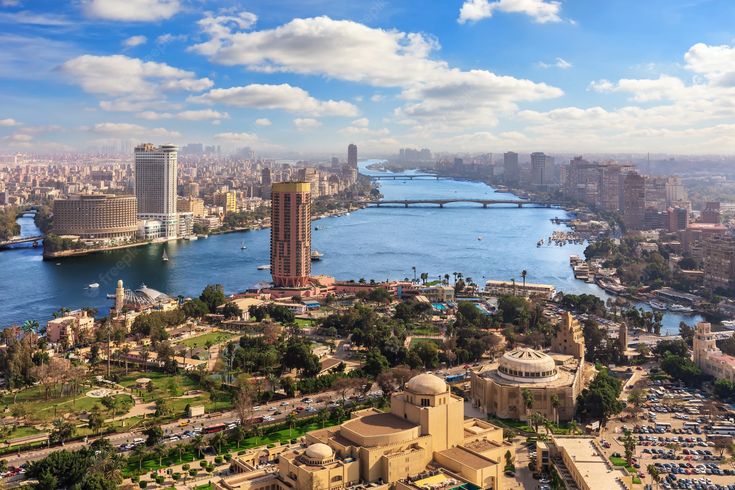
Cairo has long stood as one of Africa’s most influential political and diplomatic capitals. Positioned at the intersection of Africa and the Middle East, the city serves as a strategic centre where regional priorities, international partnerships, and foreign policy interests converge.
As the seat of Egypt’s government, Cairo plays a prominent role in shaping diplomatic engagement across North Africa and beyond. The city regularly hosts bilateral meetings, regional consultations, and international conferences that address issues ranging from economic cooperation and energy security to migration, peacebuilding, and climate resilience.
Egypt’s geographic location has given Cairo a unique diplomatic advantage. Situated along one of the world’s most significant maritime trade routes and serving as a gateway between continents, the city occupies an important position in discussions surrounding global commerce, infrastructure connectivity, and regional stability. These factors continue to influence Egypt’s foreign policy priorities and its engagement with African institutions.
Cairo also remains an active participant in continental affairs through its membership in the African Union and other regional organizations. Egyptian policymakers regularly engage with African counterparts on initiatives that promote economic development, trade integration, and institutional cooperation. The city has increasingly become a venue for dialogue on how African countries can strengthen partnerships while responding to shared challenges.
Economic diplomacy has grown in importance as governments across Africa seek to attract investment, improve infrastructure, and expand regional trade. Cairo hosts business forums and policy discussions that bring together public officials, investors, and development partners to explore opportunities in manufacturing, transport, renewable energy, technology, and industrial development. These engagements reinforce the city’s role as a bridge between African markets and international investors.
Security and regional stability continue to shape many diplomatic discussions in Cairo. Cooperation on border security, maritime safety, counterterrorism, and conflict prevention remains an important aspect of Egypt’s engagement with neighbouring countries and continental institutions. Diplomatic consultations frequently emphasize collaboration, information sharing, and long-term approaches to regional peace.
Beyond government institutions, Cairo is home to universities, research centres, policy institutes, and international organizations that contribute to public policy discussions. Academic research and expert analysis produced within the city continue to inform debates on governance, economic reform, sustainable development, and international relations across Africa.
As Africa’s role within global affairs continues to evolve, Cairo remains an important diplomatic hub where historical influence meets contemporary policymaking. Its institutions, strategic location, and regional partnerships ensure that the city continues to play a significant role in shaping conversations that affect both the continent and its wider international relationships.
Why It Matters
Cairo’s influence extends beyond Egypt’s national borders. As one of Africa’s principal diplomatic capitals, the city contributes to regional dialogue on trade, security, governance, and international cooperation. Developments emerging from Cairo often reflect broader trends that shape North Africa’s relationship with the rest of the continent and the wider world.
